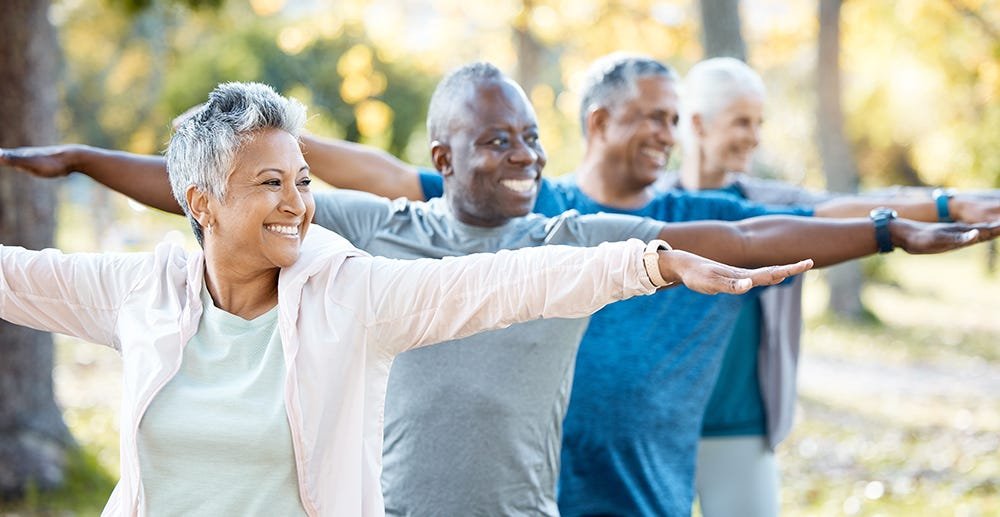
Imagine a future where your later years aren't just about slowing down, but about actively thriving, maintaining independence, and enjoying life to its fullest. This isn't a fantasy; it's the reality achievable through a proactive commitment to Health, Wellness & Active Aging. It’s about building a foundation now that supports a rich, fulfilling life for decades to come, moving beyond simply extending lifespan to enhancing "healthspan"—the period of life spent in good health.
At a Glance: Your Roadmap to Vibrant Aging
- It's Proactive, Not Reactive: Active aging is about taking charge now, not waiting for challenges to arise.
- Holistic Approach: True wellness encompasses physical, mental, emotional, social, and purposeful engagement.
- Independence is Key: Strategic choices in lifestyle, health, and community foster self-reliance and quality of life.
- Community Matters: Local resources, like the Age Well Centers, are invaluable hubs for support and connection.
- It's Never Too Late: Small, consistent steps can lead to significant improvements at any stage.
- Knowledge Empowers: Understanding the best practices for healthy aging allows you to make informed decisions.
Redefining "Aging": From Decline to Dynamic Living
For too long, the narrative around aging has been one of inevitable decline—fading health, diminishing capabilities, and a retreat from active life. But that outdated view couldn't be further from the truth. Today, the focus has powerfully shifted. We understand that while genetics play a role, your lifestyle choices are monumental in shaping your experience of aging. Managing your health proactively isn't just about adding years to your life; it's about adding life to your years, ensuring you maintain a robust quality of life and precious independence.
This modern perspective views aging not as a winding down, but as an ongoing journey of growth and contribution. It's about optimizing your physical and mental faculties, nurturing your social connections, and finding renewed purpose. It's about making conscious choices every day that empower you to live vibrantly, no matter your chronological age.
The Cornerstones of Active Aging: Building a Resilient You
Active aging isn't a single solution; it's a multi-faceted approach built upon several interconnected pillars. Neglecting one can weaken the others, while strengthening each pillar creates a formidable support system for your entire well-being.
1. Physical Vitality: Your Body, Your Engine
Your physical health is the engine that drives your active life. Maintaining its peak performance requires consistent attention to movement, nutrition, and preventative care.
- Movement is Medicine: Regular physical activity isn't just about looking good; it's essential for bone density, muscle strength, flexibility, balance, and cardiovascular health. Aim for a mix of:
- Aerobic Exercise: Brisk walking, swimming, cycling, dancing. These keep your heart healthy and boost endurance.
- Strength Training: Using weights, resistance bands, or even your own body weight to build and maintain muscle mass, crucial for daily tasks and preventing falls.
- Flexibility & Balance: Yoga, Tai Chi, stretching—these improve range of motion and reduce the risk of accidents. Many community centers, like the Age Well Centers, offer a variety of classes tailored to different fitness levels, making it easy to get started or try something new.
- Nourishing Your Body: What you eat directly impacts your energy levels, cognitive function, and susceptibility to disease. Focus on a diet rich in:
- Whole Foods: Fruits, vegetables, lean proteins, whole grains.
- Healthy Fats: Avocados, nuts, olive oil.
- Hydration: Water is vital for every bodily function.
- Consider consulting a nutritionist for personalized advice, especially if you're managing specific health conditions.
- The Power of Rest: Quality sleep is often overlooked but profoundly impacts physical and mental health. Aim for 7-9 hours per night. Good sleep hygiene—a consistent schedule, a dark cool room, avoiding screens before bed—can make a significant difference.
- Proactive Healthcare: Regular check-ups, screenings (blood pressure, cholesterol, diabetes, cancer), and vaccinations are non-negotiable. Catching potential issues early often leads to more effective, less invasive treatment. Discuss your family history and any concerns with your doctor to create a personalized preventative care plan.
2. Mental Sharpness & Emotional Resilience: Cultivating a Mind for Life
An active mind is just as crucial as an active body. Maintaining cognitive function and emotional well-being allows you to adapt to change, solve problems, and enjoy meaningful relationships.
- Lifelong Learning: Engaging in mentally stimulating activities helps build cognitive reserve. This could be learning a new language, taking a course, reading challenging books, playing strategic games, or pursuing a new hobby that requires focus and problem-solving.
- Mindfulness & Stress Management: Chronic stress can negatively impact both mental and physical health. Practices like meditation, deep breathing exercises, or spending time in nature can reduce stress, improve mood, and enhance emotional regulation.
- Emotional Wellness: Acknowledging and managing emotions is vital. Don't shy away from seeking support if you're experiencing symptoms of depression or anxiety. Talking to friends, family, or a professional can provide valuable perspective and coping strategies. Cultivating an optimistic outlook and practicing gratitude can also significantly boost your emotional resilience.
3. Social Connection & Community Engagement: The Antidote to Isolation
Humans are social beings, and strong social ties are a powerful predictor of longevity and well-being. Isolation and loneliness, conversely, can have serious health consequences.
- Building Your Tribe: Nurture existing friendships and family relationships, but also be open to forging new connections. Join clubs, volunteer, attend community events, or participate in group activities. These interactions provide companionship, a sense of belonging, and opportunities for mutual support.
- Community Hubs: Places like the Age Well Centers are designed specifically to foster these connections. They offer a diverse calendar of events, classes, and workshops that naturally bring people together around shared interests. Whether it's a book club, a dance class, or a discussion group, these environments provide structured opportunities for social engagement.
- Volunteering & Mentorship: Giving back to your community not only benefits others but also provides a profound sense of purpose and boosts self-esteem. Sharing your skills and wisdom through mentorship can be incredibly rewarding.
4. Purpose & Meaning: The "Why" Behind Your Days
Having a clear sense of purpose—a reason to get up in the morning—is a powerful driver for active aging. It gives direction, motivation, and a deep sense of fulfillment.
- Rekindling Passions: What did you love to do but put aside? What new skill have you always wanted to learn? Now is the time to explore these passions.
- Contribution: Finding ways to contribute to your family, friends, or community can provide immense meaning. This could be through volunteering, childcare for grandchildren, sharing your expertise, or advocating for causes you believe in.
- Setting New Goals: Whether it's training for a 5k, writing a memoir, or mastering a complex recipe, having achievable goals keeps your mind engaged and your spirit vibrant.
5. Financial Wellness: Securing Your Future Independence
While not always immediately recognized as a health pillar, financial wellness is inextricably linked to active aging. Having a stable financial foundation reduces stress and provides the resources needed to access quality healthcare, maintain a comfortable lifestyle, and pursue enriching activities.
- Strategic Planning: Understanding your retirement savings, managing expenses, and planning for potential future healthcare costs are critical.
- Fraud Awareness: Stay informed about common scams targeting older adults to protect your assets.
- Expert Advice: Don't hesitate to consult with financial planners or legal experts to ensure your long-term financial security and estate planning are in order. This peace of mind allows you to focus on living your best life.
Navigating Common Health Realities with Confidence
Aging often comes with unique health considerations. The key is to approach these realities proactively and with a well-informed mindset.
- Managing Chronic Conditions: Many adults develop chronic conditions like arthritis, diabetes, or heart disease. The good news is that with proper management—medication, lifestyle adjustments, and regular doctor visits—these conditions often don't have to define your life or limit your activities. Education and adherence to your treatment plan are paramount.
- Preventing Falls: Falls are a leading cause of injury among older adults. Strategies include regular balance exercises, reviewing medications for side effects that cause dizziness, making your home fall-proof (e.g., clear pathways, good lighting, grab bars), and wearing appropriate footwear.
- Medication Management: As we age, we often take more medications. It's crucial to keep an updated list of all prescriptions, over-the-counter drugs, and supplements, and review it regularly with your doctor or pharmacist to avoid adverse interactions.
- Mental Health Awareness: Depression and anxiety are not normal parts of aging. If you or a loved one experiences persistent sadness, loss of interest, sleep disturbances, or changes in appetite, seek professional help. Resources are available, and effective treatments exist.
For those interested in understanding the broader generational context of these approaches, particularly concerning the characteristics of the Boomer generation, you'll find that many of these principles resonate deeply with their values of independence and self-reliance.
Your Local Hubs for Active Aging: Fremont's Age Well Centers
You don't have to navigate the journey of active aging alone. Communities across the country are recognizing the importance of supporting their older adult populations, and Fremont, CA, is a shining example. The city's Age Well Centers are designed to be vibrant, accessible hubs for adults aged 55 and better, offering a wealth of opportunities to embrace health, wellness, and community.
For over 45 years, the Age Well Center at Lake Elizabeth has been a cornerstone for the Tri-City area. Located conveniently at 40086 Paseo Padre Parkway Fremont, CA 94538, it has fostered connections and provided services for generations.
Recognizing the growing need and the desire for expanded resources, the city opened the Age Well Center at South Fremont on September 15, 2021. This modern facility, located at 47111 Mission Falls Court Fremont, CA 94539, extends the reach and offerings to an even broader segment of the community.
Both centers operate Monday through Friday, from 8:00 am to 4:30 pm, acting as dynamic hubs for:
- Community Connection: A place to meet new friends, rekindle old acquaintances, and simply enjoy social interaction in a welcoming environment.
- Wellness Programs: From fitness classes tailored for all abilities to health seminars and preventative screenings, these centers prioritize your physical and mental well-being.
- Classes & Workshops: Broaden your horizons with educational opportunities on everything from art and technology to financial planning and healthy cooking.
- Services: Access to valuable resources such as senior services assistance, informational sessions, and more.
- Events: Regular special events, celebrations, and gatherings keep the calendar full and spirits high.
Membership & Access
Becoming a member of the Age Well Centers is an investment in your active future. The annual membership cost is $41 for Fremont residents and $51 for non-residents, offering access to discounts and a host of benefits that make active aging more accessible and enjoyable.
Hosting Your Own Events
Looking for a welcoming space for your next family gathering, club meeting, or community event? Both Age Well Centers offer rental inquiries for their facilities.
- For the Lake Elizabeth location, please contact Tiffany Kwok at 510-790-6600.
- For the South Fremont center, reach out to Jennifer Hsiao at 510-742-7524.
Navigating ActiveNet
To help members and prospective participants get the most out of the centers' extensive programming, both locations offer assistance with ActiveNet, their online registration system. Whether you need help signing up for a class or navigating the platform, you can get support through courses or one-on-one help.
- To sign up for ActiveNet assistance at Lake Elizabeth, call 510-790-6600.
- For assistance at South Fremont, call 510-742-7540.
These centers are more than just buildings; they are vibrant ecosystems designed to empower you on your journey of health, wellness, and active aging, providing the resources and community you need to thrive.
Dispelling Common Myths About Aging
Misconceptions about aging can be limiting. Let's bust a few:
- Myth 1: Significant decline is inevitable. While some changes are natural, severe decline in physical or mental function is often preventable or manageable through lifestyle and medical intervention. It's not a foregone conclusion.
- Myth 2: It's too late to start a healthy lifestyle. Your body can respond positively to healthy changes at any age. Starting an exercise routine or improving your diet in your 60s, 70s, or even 80s can still yield significant benefits in strength, balance, and overall well-being.
- Myth 3: Older adults can't learn new things. The brain retains its capacity for neuroplasticity (the ability to form new neural connections) throughout life. Learning new skills, languages, or hobbies keeps your brain agile and vibrant.
- Myth 4: Loneliness is a normal part of aging. While social circles may change, loneliness is not an inherent part of aging. Proactive efforts to maintain and build social connections, often facilitated by community centers, can effectively combat isolation.
- Myth 5: Active aging is only for the very fit. Active aging is for everyone, regardless of current fitness level or existing health conditions. It's about finding activities that are appropriate for you and making continuous, personalized improvements.
Crafting Your Personalized Active Aging Plan
Ready to take control of your active aging journey? It starts with a plan, but remember, this plan is uniquely yours—flexible and adaptable to your evolving needs and interests.
- Self-Assessment: Take stock of where you are now. Honestly evaluate your physical activity, nutrition, sleep habits, social engagement, mental stimulation, and sense of purpose. Where are your strengths? Where might you need a boost?
- Set Realistic, Enjoyable Goals: Don't aim for perfection overnight. Instead, identify small, achievable goals that you genuinely enjoy. Instead of "I'll run a marathon," try "I'll walk 30 minutes, three times a week" or "I'll try one new fitness class at the Age Well Center."
- Prioritize Preventative Care: Schedule those regular doctor's visits, screenings, and vaccinations. Be an active participant in your healthcare, asking questions and understanding your options.
- Embrace Learning & Engagement: Choose an activity that stimulates your mind—a new skill, a language, a book club. Look for opportunities to volunteer or mentor; contributing to others can be deeply fulfilling.
- Build Your Support Network: Connect with friends, family, and community groups. Share your goals with someone who can offer encouragement and accountability. Consider joining a walking group or a class where you can meet like-minded individuals.
- Utilize Local Resources: Explore what your local Age Well Centers offer. Their diverse programs, from fitness and arts to social events and educational workshops, provide a fantastic starting point and ongoing support system for many of these pillars. Don't hesitate to call them for more information or assistance with ActiveNet.
- Be Patient & Persistent: There will be good days and challenging days. The key is consistency and self-compassion. If you stumble, simply reset and continue forward.
Embrace Your Next Chapter: A Call to Action
The journey of Health, Wellness & Active Aging is not about chasing an impossible ideal; it's about making deliberate choices each day to cultivate a life rich in vitality, connection, and purpose. It’s an empowering recognition that much of your future well-being is within your control, shaped by the habits you build and the communities you embrace.
Don't wait for your later years to begin this journey. Start now. Take that walk, sign up for that class, call that friend, or simply explore the possibilities available at your local Age Well Center. Fremont’s Age Well Centers are more than just facilities; they are gateways to new experiences, new friendships, and a life lived vibrantly and independently. Your next chapter is waiting to be written—make it your most active and fulfilling one yet.